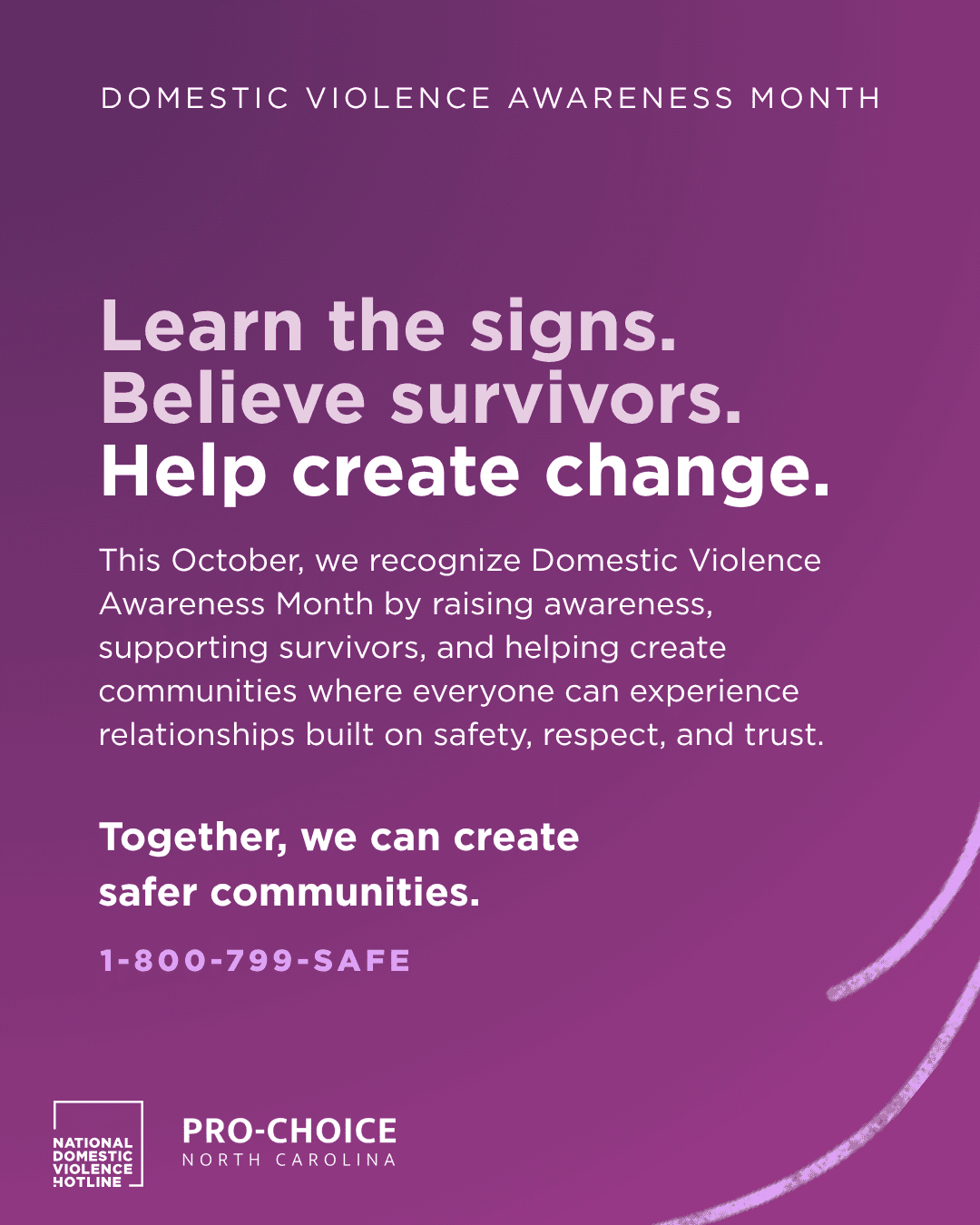
October is Domestic Violence Awareness Month (DVAM), a time for advocates and survivors to share stories, reduce stigma, and raise awareness of the all-too-common experience of domestic violence (DV). This awareness is part of the effort to end DV, better support survivors, and create policies and laws that hold abusers accountable and create safer communities for all of us.
At Pro-Choice North Carolina, we know that reproductive freedom includes the ability to live a life free from violence, including interpersonal abuse. A common but less-understood form of domestic violence is reproductive coercion. While couples may have different opinions about family planning, reproductive coercion occurs when one partner attempts to claim complete control over a couple’s or family’s reproductive lives and decisions.
Refusing to use, or to allow the use of, birth control is one way reproductive coercion plays out. Sabotaging birth control – throwing away oral contraceptives, pricking holes in condoms, etc. – is another, often more subtle, way this coercion occurs. Pressuring one’s partner to get pregnant despite their hesitations or concerns is coercion. Forcing a pregnant person to either get an abortion or carry a pregnancy to term when either of those options is against their wishes also constitutes abuse and coercion.
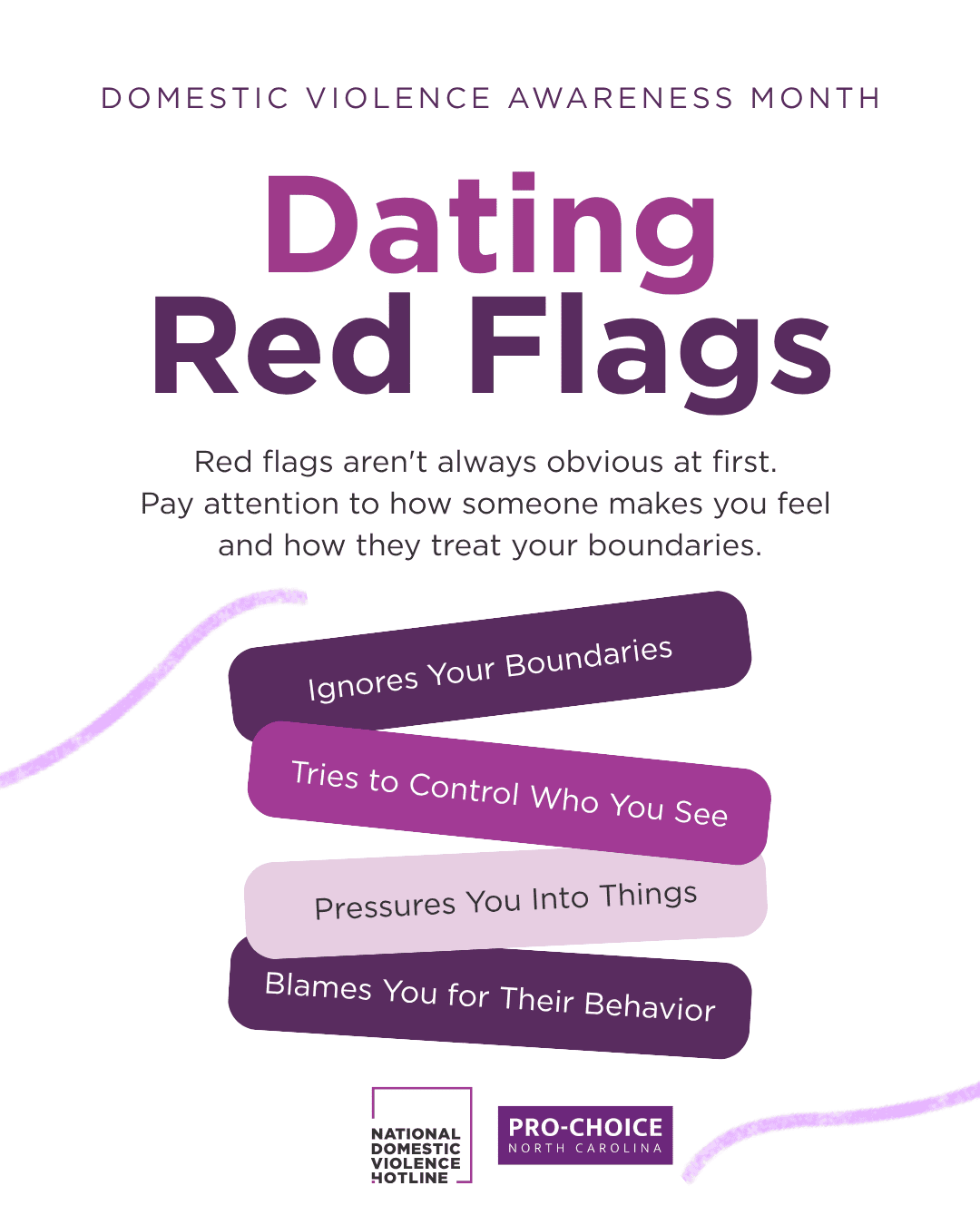
Providers need to be – and often are – on the lookout for signs of coercion in patients seeking abortions. But with roughly one quarter of abuse victims reporting being pressured or forced to become pregnant, health care providers also need to open up space for a patient who seems reluctant about a pregnancy to talk about what may be going on in their intimate relationship, and what resources may be available to help them leave the relationship if they are ready.
With the fall of Roe in 2022, we also see another tool for abusers - using draconian abortion bans to threaten their partners; particularly the threat to report attempts to access abortion to local law enforcement. As anti-abortion politicians attempt to further restrict access to abortion, contraception, and sex education, abusers will unfortunately have more ways to exert control over their partners.
Reproductive coercion is a form of domestic violence and no one should be forced to continue or end a pregnancy against their will. This type of coercion, like domestic violence, is robbing the person of their agency and control over their bodies and their futures. Unfortunately, we often see anti-abortion actors use abortion stigma, politicization, and mis and dis-information to obscure the truth about domestic violence and to further stigmatize abortion.
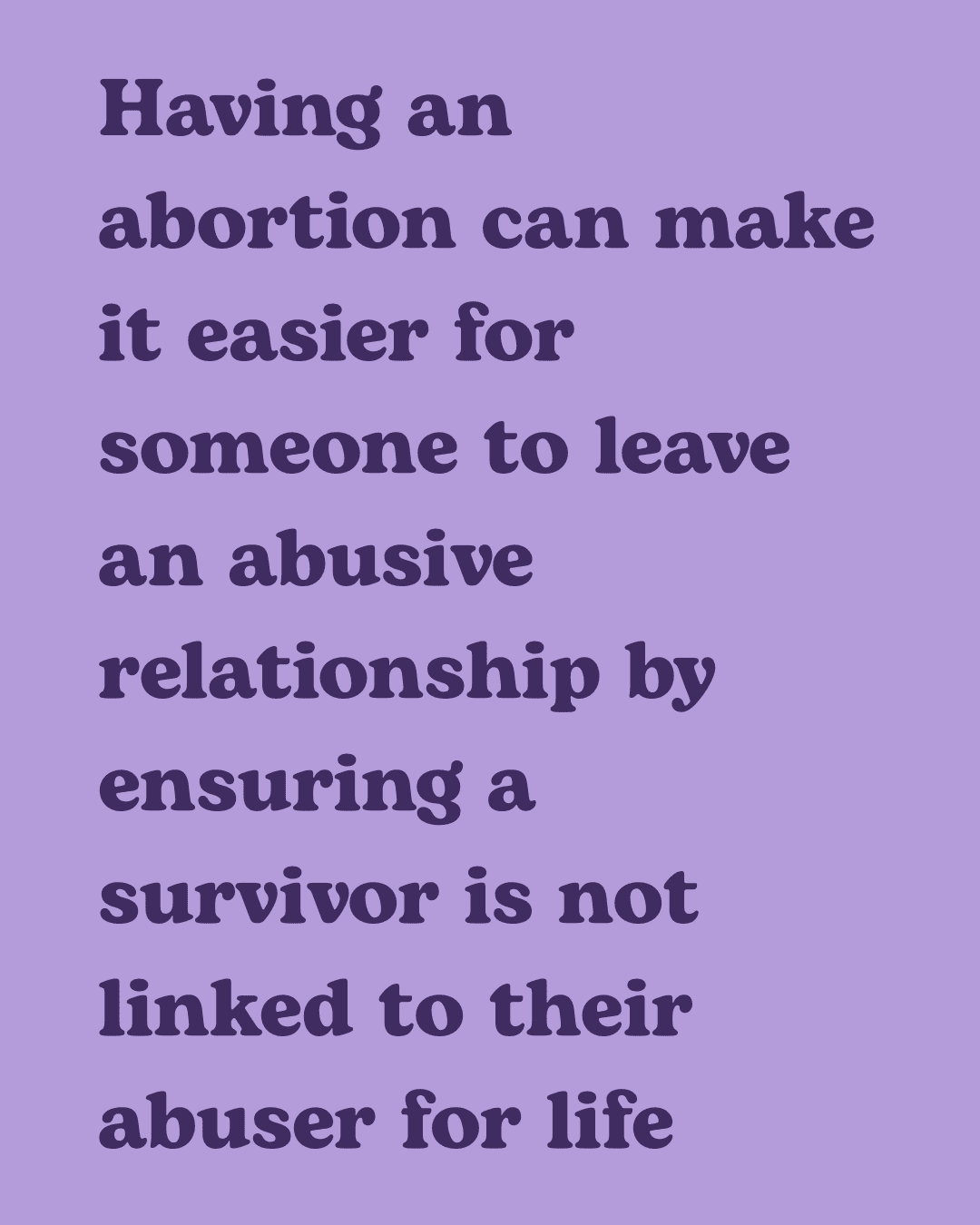
However, access to nonjudgemental, comprehensive healthcare, including abortion, is critical to survivors of domestic violence for so many reasons. Access to this healthcare, including contraception, emergency contraception, and medication abortion, can make it possible for a survivor to navigate or even leave their abuser’s system of control. As survivors work to take back control of their lives, they need all options available to them.

If we want to successfully counter domestic violence, our elected and government officials, along with community leaders, must invest in evidence-based and proven prevention and support systems that help survivors claim control over their bodies and lives.
Abortion bans, restricted access to contraception, and inaccurate sex education can further rob survivors of the agency they need to heal and move forward. Part of dismantling our epidemic of domestic violence will require our society to grant all persons full control over their bodies, their sexuality, and their reproductive lives.
If you or someone you know is in an abusive relationship, you can always call the National Domestic Violence Hotline – 1.800.799.SAFE – 24 hours a day/365 days a year to discuss resources, connect to a local agency, or just talk about what you are experiencing. In North Carolina, you can find local resources from the North Carolina Coalition Against Domestic Violence website here.