The Comstock Act:
A 19th-Century Law with 21st-Century Consequences
In 1873, the U.S. Congress enacted the Comstock Act, a federal law named after Anthony Comstock, a moral crusader who fought against what he considered "obscene" materials. The law made it illegal to use the postal service to send any “obscene, lewd, lascivious, indecent, filthy or vile” content—including contraceptives, abortion-related materials, and even information about reproductive health.
Comstock, a self-appointed guardian of public morality, believed that suppressing such materials would protect society from moral decay. The law was part of a broader movement to regulate sexuality and enforce Victorian-era norms through censorship and criminal penalties.
Why It’s Problematic
The Comstock Act’s broad language and moralistic foundation made it a powerful tool for censorship. It conflated accurate and critical medical information with obscenity, effectively silencing conversations about reproductive health. Although parts of the law were repealed or set aside—especially after Roe v. Wade in 1973—the main provisions stayed in place.
In 1971, Congress removed the contraception-related clauses, but the abortion-related restrictions remained. For decades, the law was largely ignored, seen as a relic of a past era. That changed after the Dobbs v. Jackson Women’s Health Organization decision in 2022, which overturned Roe and rekindled interest in the Comstock Act among anti-abortion activists.
Weaponization in the Modern Era
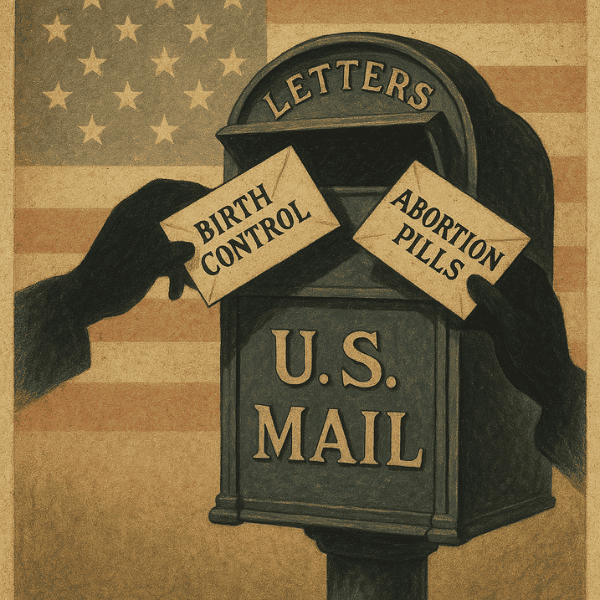
Today, the Comstock Act is being revived and weaponized in an effort to restrict access to abortion medication—particularly mifepristone, a safe, effective, and time-tested drug used in over half of U.S. abortions. As abortion has become further restricted, and particularly since many clinics have been forced to close, medication abortion administered via telehealth has been a lifeline for many patients, particularly rural patients and others who may have difficulty getting to medical facilities.
In 2023, an anti-abortion federal judge in Texas cited the Comstock Act to argue that mailing mifepristone violates federal law. Although the Supreme Court later overturned that decision on procedural grounds, the case showed how this 19th century law could be used to threaten reproductive rights in the 21st century.
Why it Matters
The resurgence of the Comstock Act serves as a stark reminder that unrepealed laws never truly die—they linger, waiting to be reinterpreted if politicians choose to do so. The Act’s vague wording, low public profile, and moralistic origins make it ripe for misuse, especially in politically charged environments with bad faith actors. As struggles over reproductive rights continue across the country, understanding the Comstock Act is crucial to seeing how old and outdated laws can influence—and threaten—modern freedoms.
What Can We Do About It?
- Too many people don’t know about the Comstock Act, or that it was referenced in the reactionary and conservative agenda Project 2025. Tell your friends, families, neighbors, and networks about how this law can be used, especially if they believe that abortion rights “are safe” for now. .
- Contact your U.S. Senators and Congressional Representative to tell them you want to see a repeal of the Comstock Act. Pro-abortion rights Senators and Congresspeople have been calling for a bill to do this since the 2022 Dobbs decision, and as recently as this past summer. Let your federal lawmakers know you support this effort.
- Contact your state lawmakers, Governor, and Attorney General to demand they advocate for state laws to protect the full access to reproductive healthcare and encourage them to push back on any federal attempts to further restrict access to crucial healthcare.