Notes from our recent webinar with the North Carolina Black Alliance and North Carolina Justice Center.
With the midterm elections approaching in November, we encourage voters to use the following information to fill out their entire ballot and to consider how the candidates value reproductive freedom. While you might not expect that each and every race in this election can make an impact on our reproductive freedom, we discuss below how everyone in elected office can make a difference. Our webinar also covered how many of the current state lawmakers, all of whom are up for re-election, have eroded access to Medicaid, and how to make connections between issues like economic security, healthcare equity, racial justice, and reproductive freedom.

What is Reproductive Freedom?
When we say reproductive freedom, we mean:
- the ability to access quality reproductive, sexual, and parental healthcare, support, and information
- getting care when you need it—safely, with dignity, affordably, and in the community where you live
- autonomy to plan and make your own decisions about your body, your future, and your family's future.
- the ability to make these decisions free from government interference.
How elected officials on the ballot this November could impact our reproductive freedom:
U.S. Senators hold a lot of power in our country! They can hold the Executive Branch accountable and confirm the Executive Branch's appointments to the judiciary and cabinet-level positions, like U.S. Supreme Court justices, the Secretary of Defense, the Secretary of the Department of Health and Human Services, or the U.S. FDA commissioner, to name a few. U.S. Senators serve 6-year terms.
Like U.S. Senators, members of the U.S. House of Representatives can also keep the Executive Branch in check. Representatives can introduce and vote on important legislation, like a national abortion ban. They also help determine the federal government's budget priorities, such as recent efforts to allocate Title X money (originally set aside for family planning programs) to non-medical anti-abortion centers (a.k.a. crisis pregnancy centers or fake clinics). Members of the U.S. House are up for re-election every 2 years.
The NC General Assembly itself is made up of two governing bodies: the NC House of Representatives and the NC Senate. Every seat in the NC General Assembly is up re-election every 2 years. These elected officials introduce legislation that can impact our day-to-day lives here in NC. They have the power to vote against anti-abortion legislation and stop it from being passed into law by our state government and can also work to pass legislation that would protect reproductive healthcare and abortion access.
In North Carolina, the people elect our justices on the State Supreme Court and on the State Court of Appeals, which is a great opportunity for voters! These courts can make decisions impacting the availability of abortion care, how the state funds its healthcare programs, our voting rights, and our redistricting maps, all of which impact reproductive freedom. It matters who sits on the bench in our state Judiciary!
These are the judges we may be more familiar with, if we or people we know have appeared in family court, criminal court, or juvenile court, for example. We all want to know the judges we may appear before are committed to protecting our rights while upholding fair and equitable applications of our laws. These judges can have a big impact on issues like custody cases, adoption processes, and even minors' ability to access reproductive healthcare.
For example, these judges can issue judicial bypasses for minors seeking an abortion and who are not able to obtain parental consent for care, as is required by law in North Carolina for minors. Judges who are mindful of reproductive freedom can work to handle that situation compassionately and knowledgeably, with privacy and dignity for minors who are navigating what is often a confusing legal process.
Think about your county's public health department! County Commissioners have charge of public health initiatives, and it makes a difference when these elected officials support reproductive freedom. Would these commissioners use funds to support different types of reproductive healthcare? Even if they can't support abortion care directly, can they use funds to help people access to contraception? Can they help county residents understand how they can use the public health department to access any reproductive healthcare that they need?
County governments have also made resolutions in support of or against reproductive healthcare. For instance, anti-abortion actors came from out of state to western NC rural counties a few years ago and advocated for County Commissions to pass stigmatizing anti-abortion resolutions.
In contrast, some counties in the Triangle passed pro-reproductive freedom resolutions in the wake of the 2022 Dobbs decision, that demonstrated their commitment to protecting their constituents access to healthcare, and provided reproductive freedom advocates the ability to build on what those resolutions mean for county services.
Town and City Councils, including Mayors, all do a lot to provide for services that impact the day-to-day experiences we have where we live. From trash collection, to public safety, to parks and recreation, to property taxes, and to housing--our local governments help create the environments in which we live our everyday lives .
You might not expect it, but town and city councils may find themselves discussing the issue of abortion access. For instance, about 10 years ago anti-abortion special interests from outside the city were repeatedly demanding a city council in the Triangle close their abortion clinics. There have also been discussions at town and city councils about anti-abortion protests in the locality, as well as the presence of anti-abortion centers.
Conversely, after the fall of Roe, other local governments passed resolutions to protect reproductive freedom as a way to draw a line in the sand and give community members a way to hold their local governments accountable.
Local governments can do a lot to protect reproductive freedom right in our own neighborhoods, including how towns and cities deal with protestors at abortion clinics. Are the town or city council candidates on your ballot going to work to protect reproductive freedom?
A District Attorney holds a lot of power when it comes to the criminalization of pregnancy outcomes. The DA can decide how laws are applied and whether or not charges against pregnant people are appropriate in accordance with the law as written.
We have seen how anti-abortion District Attorneys in other states, such as TX, have deliberately misapplied laws to inappropriately charge pregnant people for their reproductive healthcare decisions and pregnancy outcomes. With DAs in each county, NC is unfortunately not immune to this type of politicization. It is critical to have DAs in place who won't play politics with the law.
School Boards are incredibly important in determining the well-being of students who attend public schools. The School Board can make decisions about how LGBTQ+ youth are treated by the public school system; they can decide whether or not to ban books; and they can make decisions about what sex ed looks like in our public schools. School Boards are often more politicized than people realize, and can easily become a place where people opposed to equality and reproductive freedom push their harmful ideologies, at the expense of student safety and health.
As elected officials, sheriffs have an important role in ensuring our laws are applied fairly and appropriately. Whether they are arresting patients for pregnancy outcomes, responding to safety concerns at abortion clinics or reproductive rights protests, or addressing complaints of anti-abortion and anti-LGBTQ+ harassment of residents, elected sheriffs set the tone for their departments' commitment to treating people equally under the law.
Clerks of Court and Registers of Deeds are very administrative roles, yet we have still seen how people can use this role to push an ideology that doesn't have anything to do with the job they were elected to do. Take a local Clerk of Court in another state who refused to issue a marriage license to a same-sex couple about ten years ago as an example!
Clerks of Court can be helpful to people who are seeking reproductive health care, especially if you are a minor living in North Carolina. Minors in North Carolina are required by law to have parental consent to get an abortion or they otherwise need to obtain a judicial bypass from a judge. Clerks of Court can play a gatekeeping role in the process of a minor obtaining a judicial bypass for an abortion and it is important that they understand this role and perform it without letting their politics get in the way.
What a long list! So is our ballot this November.
We encourage everyone to vote their entire ballot because all these races are important. Many of these local government and state legislative offices are pipelines for politicians to gain experience, make a name for themselves, and rise through the ranks to higher office in the future. Ideally we hope to elect candidates who will go on to make the changes we want to see in our state and in our country, and that is why we talk so much about the smaller races that too many voters usually skip when they are filling out their ballot.
We have seen anti-abortion politicians who are emboldened to push harder for their anti-abortion agenda after having risen through the ranks to higher office and through the power they amass during their tenure, yet they are also the ones who slander their political rivals by calling them "career politicians" in the same breath. Don't let these surface arguments guide your voting--when you print your sample ballot, available from the NC State Board of Elections, take the time to research who is on your ballot and what their values and beliefs are.
Changes in Medicaid Coverage
While the Hyde Amendment has restricted Medicaid coverage of abortions across the U.S. since 1977, Medicaid coverage in general is still being eroded away for many people who do not have any other options for receiving care. Drawing a connection between reproductive freedom and health equity, we see how access to abortion and reproductive health care are incredibly important when it comes to making sure that everyone is able to reach their full potential for health and wellbeing. Our nonprofit partners at North Carolina Justice Center continue this conversation by sharing updates about how changes to Medicaid coverage taking effect as soon as October 2026 will further erode our collective efforts towards justice in our healthcare system.

Map showing which states have medicaid coverage for abortion care. Visit this link to learn more.
Individuals who will lose access to Medicaid starting October 1, 2026:
- Refugees
- Asylees
- Victims of trafficking (including certain family members)
- Parolees (including Ukrainian Humanitarian parolees and Afghan parolees
- Non-citizens with deportation withheld
- Non-citizens granted Conditional Entry
- Amerasian non-citizens
- American Indians born in Canada or outside of the U.S. (including federally recognized tribal members who are not U.S. citizens
- Battered non-citizens (including spouse, parents, and children)
- Lawfully residing veterans/active-duty service members (including certain family members)
- Non-citizens with Iraqi or Afghan Special Immigrant Visas
- Hmong, Mien, and Laotian non-citizens (including spouses and children)
- Applicants for Permanent Residence, Asylum, or Temporary Protected Status
- Other lawfully residing non-citizens
Individuals who will not be affected:
- People who are medically frail or who have special medical needs that affect their ability to work, volunteer, or go to school, including those who:
- Are blind or have a disability
- Have a substance use disorder (and have been in recovery for the past 5 years)
- Have a disabling mental disorder
- Have a physical, mental, or developmental disability that significantly impairs their ability to perform 1 or more activities of daily living
- Have a serious or complex medical condition
- Participants in a drug addiction or alcohol treatment and rehabilitation program
- Parents, guardians, caretaker relatives, or family caregivers of a dependent child under age 14, or of a disabled individual
- Veterans with a disability rated as total
- Members of a household receiving SNAP benefits
- Individuals receiving Work First Program or TANF benefits and are compliant with the program's work reporting requirements
- American Indians, Alaska Natives, and other members eligible for care with Indian Health Services, including federally recognized tribal members
- Former foster care youth under age 26 and those currently in foster care
- Inmates of a public institution
- Pregnant women or those entitles to postpartum Medicaid coverage
What do we do now?
If you have questions about your eligibility for Medicaid coverage, please refer to North Carolina Justice Center's Health Resource Guide in English and in Spanish. Even if you lose coverage on October 1, 2026, you may still be eligible.
While most Medicaid beneficiaries should have already received letters to let them know about changes to Medicaid coverage, it is important that we encourage people in our community to stay informed about these changes that might affect their coverage and to let them know that resources are available to help us all navigate these changes.
These policy changes in Medicaid coverage were determined by legislators and elected officials, and are not aligned with health equity goals, another reason why we need to keep voting and elect candidates who will work to make sure everyone in the U.S. has access to quality and affordable healthcare.
Framing the Conversation in Reproductive Justice
During our recent webinar, our partners at the NC Black Alliance grounded our conversation in the concept of reproductive justice.
Reproductive Justice, as defined by SisterSong, asks: do I have the resources, the power, the safety, and the support to maintain personal bodily autonomy, to have children, to not have children, and to parent the children we have in safe and sustainable communities.
When our reproductive rights and healthcare coverage are under attack, we see that our right to have a child means that it is also our right to survive pregnancy.
The following data from NC Department of Health and Human Services underscores the reality of health inequity for Black women who are pregnant in this NC. Maternal death rates for Black women are disproportionately high. As barriers to quality healthcare in our communities increase, we see more clearly how certain policy changes exacerbate devastating pregnancy outcomes.
- While Black women make up only 22% of the state's population, they account for over 40% of the state's pregnancy-related deaths.
- Nearly 80% of pregnancy-related deaths are preventable among Black women.
- A death is preventable if there is at least some chance it could have been avoided with reasonable changes to patient, family, provider, facility, system, and/or community factors.
- Almost half of pregnancy-related deaths occurred 43 days to 1 year after pregnancy ended.
- Postpartum coverage, continuity of care, work, transportation, and mental health matter so much more.
Reproductive justice also means we have the right to raise a child who thrives.
There are so many reasons that contribute to infant mortality rates and so many factors that contribute to the health and wellbeing of children in our state. Black infants have a disproportionately high mortality rate, again underscoring the reality of health inequities in Black communities.
A healthy pregnancy doesn't happen in isolation and neither does a healthy childhood.
Whether someone has access to housing, food, healthcare, safe water, childcare, transportation, paid leave, income, and safe communities are all reproductive policies that can provide for reproductive freedom and justice!
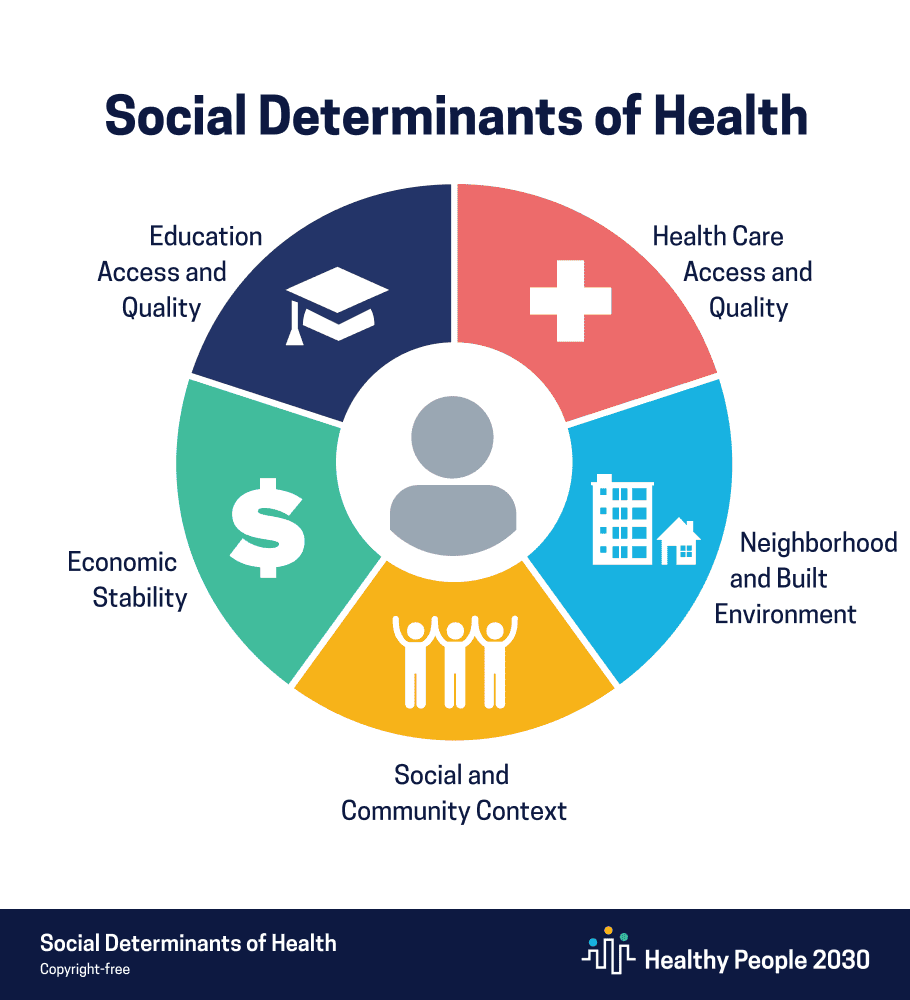
What does choice mean without economic security?

Budgets and taxes are reproductive policy.
When we have more regressive tax policies, there is less capacity in our communities for things like childcare, public health, food assistance, transportation, housing, and so much more. Yet, this November we are being asked to vote on a constitutional amendments that would permanently limit income tax and property tax rates, which would mean higher savings for the richest few and less dollars in state revenue to provide for the services that would allow our communities to thrive. Learn more about how state tax cuts continue to be a detriment to reproductive freedoms at North Carolina Budget and Tax Center's website.